In laboratory studies, copper peptides have been shown to support dermal papilla cell proliferation and to influence growth-factor signaling that keeps follicles in the active phase. First, it appears to stimulate dermal papilla cells, the specialized fibroblasts at the base of the follicle that orchestrate the hair cycle. This article is for educational purposes only and is not medical advice. Gene-expression research has suggested that the peptide can affect the activity of more than 60 genes involved in tissue repair (inflammation control), and antioxidant defense.
There is, at the time of writing, no adequately powered randomized controlled trial published in a peer-reviewed journal showing that GHK-Cu (topical or injected) increases hair count, hair density, or terminal-hair conversion in people with androgenetic alopecia or telogen effluvium. The important caveat — developed in the evidence section below, is that this particular study used AHK-Cu, a closely related but distinct copper tripeptide, not GHK-Cu. The third thread is anti-apoptotic and pro-proliferative action on dermal papilla cells. Copper tripeptides have been reported to reduce TGF-β1 secretion by dermal fibroblasts, and GHK more broadly has been described as restoring or rebalancing TGF-β pathway activity in fibrotic tissue models.1 If a compound lowered TGF-β1 in the follicular environment, the theoretical consequence would be a longer anagen phase and delayed catagen. TGF-β1 is a catagen-promoting signal — it is one of the molecular messengers that pushes an anagen follicle to regress — and DHT is thought to drive miniaturization in part by inducing TGF-β1 from dermal papilla cells. A healthier perifollicular dermis with better angiogenesis is a reasonable (if indirect), contributor to follicle support.
GHK is glycyl-L-histidyl-L-lysine, a tiny three-amino-acid peptide that occurs naturally in the human body. The copper component raises theoretical concerns about copper accumulation at high doses, though this has not been systematically studied in clinical settings. Reported side effects in topical studies have generally been mild, including localised irritation.
Subcutaneously inject 2mg three times a week, specifically on Monday, Wednesday, and Friday.


For 1-2 minutes, massage the product thoroughly to ensure proper distribution and enhance absorption. This phenomenon is elucidated in the copper peptides purging guide. Many users feel alarmed due to increased hair loss during the initial 2-4 weeks.
However, combining GHK-Cu scalp application with dermarolling , 0.5 mm, 1–2 times per week can substantially increase follicular delivery. There’s no clinical evidence that concentrations above 5% provide additional benefit the receptor saturation point appears to plateau in this range. GHK-Cu works through copper enzyme activation and gene signaling without forcing accelerated turnover, making it more suitable for sensitive skin and for daytime use. It is generally suitable for all skin types including sensitive skin. In practice (users typically report visible improvements in skin texture), tone, and fine line depth within 4–6 weeks of consistent twice-daily application. Unlike minoxidil, GHK-Cu does not require indefinite use to maintain results though continued use is generally recommended for sustained benefit.
Second — a significant minority of patients do not tolerate or do not respond adequately to first-line agents, and combination approaches that add a mechanistically distinct agent are standard clinical thinking. For subcutaneous systemic injection (typically 1 to 2 mg administered two to three times per week is used in clinical practice), though this dosing range is derived from safety observations and practitioner convention rather than dose-finding trials specifically for hair outcomes. This approach also allows for precise dosing and a predictable pharmacokinetic profile that topical application cannot match. The most studied mechanism involves its ability to stimulate the synthesis of dermal papilla cells, the specialized mesenchymal cells that sit at the base of each follicle and act as the primary regulators of hair growth. Read the studies for their endpoints and their formulations — keep the topical and systemic stories separate, and you will have a far clearer view than most of the marketing will give you. Second — marketing that simply lists “copper peptides” on an ingredient panel tells you very little about whether the formulation was designed to actually reach its target.
GHK-Cu in the Broader Context of Longevity-Oriented Hair Health
To address pattern hair loss, it is advisable to initiate treatments that have shown effective results in individuals. This has been examined by researchers in dermal papilla cells — a small cluster of cells located at the base of each follicle that regulates the hair growth cycle. In cases of pattern hair loss, the duration of that phase decreases slightly with each cycle, resulting in shorter hair growth and finer regrowth. Naturally (GHK is present in the body), found in blood plasma, saliva, and urine.
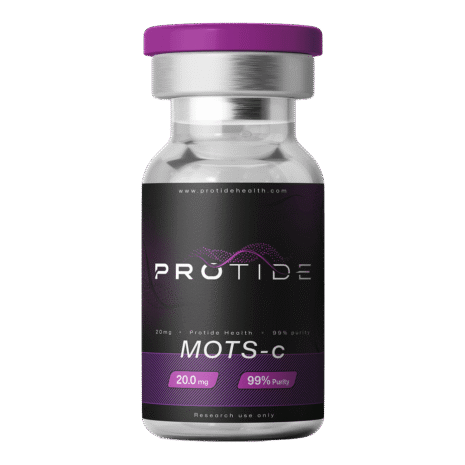
It is worth consolidating the limitations, because they are the heart of an honest answer to the title question. For hair specifically, there is no established, evidence-based human dosing, so any numeric “hair protocol” should be read as a research convention or vendor suggestion, not a clinically supported schedule. First — careful handling affects only whether the compound in the vial remains intact and uncontaminated; it does nothing to resolve the underlying question of whether GHK-Cu has a real hair-growth effect in humans. Reconstituted material has a limited shelf life measured in weeks under refrigeration (and any cloudiness), particulates, or off-color change is a discard signal. For hair (GHK-Cu’s benefit has not been demonstrated in humans at all — so from a formal risk-benefit standpoint), any non-trivial risk is being taken in exchange for an unproven upside. Evaluating whether a risk is acceptable requires a demonstrated benefit to weigh it against.
In humans, the peptide occurs naturally within the body. Should there be no significant changes after six months of consistent and properly dosed application, it may be necessary to consider alternative methods. Different strategies are required for scarring alopecia, in which inflammation leads to the permanent destruction of hair follicles.
It’s saying nobody has run the trial that would tell you either way, at least not one that has made it into the indexed literature. Save my name, email, and website in this browser for the next time I comment. No large-scale, double-blind, placebo-controlled clinical trials in human androgenetic alopecia patients have been published.
It has since become one of the most studied peptides in dermatological and wound healing research. GHK-Cu is a naturally occurring copper-binding tripeptide studied for skin repair — hair growth, and gene expression modulation. Trial and error provides ample insight into the viability of an approach for you as an individual. Nonetheless, it remains a viable option to pursue given its mechanistic benefits for the underlying pathology of hair loss. Nobody has yet published a controlled human trial showing that a GHK-Cu topical reliably increases hair count.
Visible changes commonly appear within 8 to 12 weeks, depending on hair type and overall health. Expect improvements in hair density and scalp health over time. Its copper binding is central to its activity, which can improve scalp condition and stimulate hair follicles. This article explains how to apply GHK-Cu serum — how it works, and what results to expect. Nothing on this page is a recommendation to use it or a dosing guide.
It is a key component in cosmetic creams and serums — researched for its effects on wound healing, scar remodeling, fine lines, skin firmness, and texture (references 1, 2). That data originates from the lab, and the extent to which it applies to whole-body anti-aging in humans remains unclear (The Longevity Map, p. 73). With age, your GHK levels decline, starting from approximately 200 ng/mL in young adults to less than 80 ng/mL in the elderly (Regenerative Resilience, p. 119). GHK-Cu’s role in skin health, its effectiveness for hair growth, safety, side effects, and its legal status or FDA approval, along with a comparison between GHK-Cu, GLOW, and KLOW, as well as risk-benefit analysis and FAQs referenced in the books.